

What Careless People Taught Me
A nuanced view

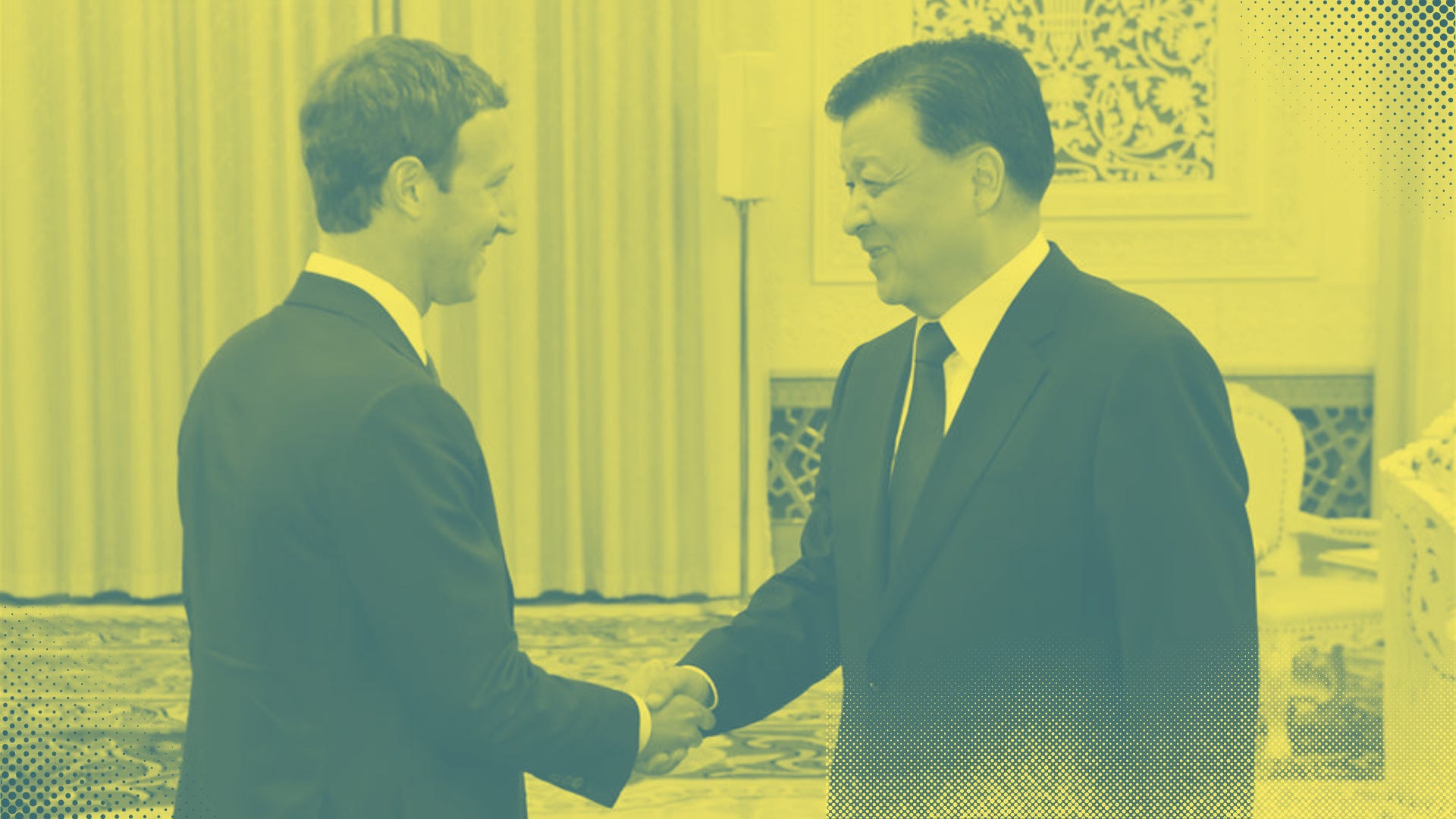
It’s far too easy to despise the billionaires who pollute our world (literally and figuratively). They dodge accountability, float above the law, and seem untouchable.
But nobody really tries stepping into their shoes. Nobody asks what drives them.
I've met a few of these figures over the years. Some were alright, others not so much. History shows us the same pattern: tyrants alongside saintly kings.
Humans are complex. We tell ourselves we're driven by greed, profit, evolution, and self-preservation. The usual suspects.
But a humble Italian priest who lived from the 1950s to the early 2000s taught me something more profound. Luigi Giussani said:
"The same forces that move the human heart are what drive history forward."
(My translation from his original Italian: "Le forze che muovono la storia sono le stesse che muovono il cuore dell'uomo.")
Something deeper
During my time at Tesla, someone close to Elon mentioned something that stuck with me: "You know what drives Elon? He's afraid to die."
That conversation reframed everything. His obsession with having children, brain-computer interfaces, AI, and life on Mars. Suddenly, it all connected. Not that I agree or endorse his actions. But they don’t come from madness like others dismiss too quickly.
Artists and philosophers have captured this same human drive. The fear of mortality pushes us toward legacy, toward something that outlasts us.
We all share this fundamental concern about our finite existence.
If you had billions of dollars, wouldn't you use every resource to address that fear?
These deep questions surface at different times. The fear of mortality is instinctual, but other desires emerge too - justice, love, truth, beauty, meaning. The desire not to live uselessly.
In my experience, these desires become evident during adolescence. But our world conspires to suppress them, to distract us with pleasure, instinct, and convenience. This makes us more controllable because anyone who acknowledges these desires and organizes their life around finding answers becomes truly free.
The world works against these desires. With technology in schools from the age of six, distractions become a part of our lives for longer. Unless someone finds a community of genuine friends willing to confront these desires head-on, people often face them much later and mature more slowly.
I often meet people in their late twenties who are just starting to face these fundamental human desires, or in their early thirties who are beginning to grapple with them. Think about that developmental timeline.
What happens when someone, at 19 years old, is not yet fully mature and not yet fully developed in terms of meaningful and profound existential inquiries, suddenly receives hundreds of millions of dollars to grow a tech company that hits on a lucky product at the right social moment? A few years later, you're 25 and your company has become a billion-dollar entity with nation-state-level responsibility. What kind of reality are you living in? And what is the depth of your judgment? How much wisdom have you earned?
This brings us to figures like Zuckerberg, with his seemingly absent moral compass.
I actually feel empathy (and pain) for him. He has everything people believe would fulfill their lives, yet he still looks like someone who only cares about winning. You can tell that already from his public profile, and find several confirmations in Careless People. His focus on legacy makes sense when you understand it as that inner desire to live forever, to be remembered for something good, especially when the marks you've made aren't good at all.
The book
Sarah Whynn-Williams’ book left me outraged, my sense of justice deeply troubled. But there are flaws in her account, too.
The book offers fascinating insider access into Facebook's complex relationship with global power, particularly its attempts to enter China. Whynn-Williams brings us into Palo Alto war rooms, Beijing back-channel dinners, and Capitol Hill crisis meetings with vivid detail few could provide.
The book starts wonderfully - witty, engaging, full of sharp observations about Silicon Valley culture (seen from a New Zealanders’ eyes—a funny and interesting cultural trait I began to appreciate since my recent relocation to Australia). For readers interested in international business and geopolitics, there's real value here: the granular look at how tech platforms navigate state power, the revelation of Facebook's proposed Chinese censorship tool, and the disturbing account of throttling dissidents' accounts at Beijing's request.
Where the book becomes more challenging is in its personal focus. Wynn-Williams clearly went through difficult experiences at Facebook, and while her frustrations are understandable - working in such an ethically fraught environment must have been genuinely painful - the narrative sometimes shifts from insightful analysis to what feels like processing personal wounds. This is entirely human and relatable, but it can make certain sections feel less focused. And a bit too much self-righteousness (as if she was the only person with a moral compass in that place).
The author seems to have joined Facebook with genuine idealism about creating social impact, only to discover the harsh reality that, like any corporation, Facebook's primary obligation was to shareholders. This disillusionment colors the narrative, and while it makes for compelling reading about corporate culture clash, it sometimes overshadows the larger geopolitical story.
Despite these limitations, Wynn-Williams deserves credit for documenting important wrongdoing and pulling back the curtain on how tech companies bend to authoritarian pressure. Her position gave her unique access to troubling decisions, and sharing these stories took courage. While the book may meander at times between corporate exposé, personal memoir, and policy analysis, it ultimately provides valuable insight into one of the most consequential tech-government relationships of our time. And something OpenAI is worryingly mirroring these days (but that’s a story for another post…).
For those interested in tech ethics, China relations, or corporate power, this is worth reading - just approach it understanding you're getting both a business book and a very personal account of one woman's challenging journey through Silicon Valley's moral compromises.
So, where do we go from here?
Luigi Giussani offers us a path forward: Building something new starts with the witness of people and those human spheres of society that already show new forms of solidarity, that help the educational, health and cultural needs of people, taking into consideration the deepest desires of the human heart.
(Again my translation from the original Italian: “La costruzione del nuovo comincia a partire dalla testimonianza di persone e di quei ambiti umani della società che già mostrano nuove forme di solidarietà, che aiutano le necessità educative, sanitarie e culturali della gente, tenendo in considerazione i desideri più profondi del cuore dell'uomo.”)
Everyone bears responsibility to take their inner desires seriously and find community with people who want to do the same. People who want to find answers, who find purpose in building a future that is more just, more aligned with truth, and biased toward discovering what actually matters.
This means stepping away from the systems that profit from our distraction.
It means choosing depth over convenience, community over isolation, truth-seeking over comfortable lies.
It means building companies, institutions, and relationships that honor these deep human desires rather than exploit them.
BTW, this isn't naive idealism. I've built enough products to know that sustainable business models emerge when you solve real human problems. The most successful companies of the next decade will be those that help people connect with their deepest desires rather than numb them (or exploit them).
The billionaires aren't the enemy. They're just humans like you and me, wrestling with the same fears and desires, but with resources that amplify both their potential for good and their capacity for harm. Our job isn't to hate them, but to build better systems that channel everyone's deepest desires toward flourishing rather than destruction.
What do you think? Share your experience in building communities that honor these deeper human needs.
As a person of faith, this is a profound reminder !