

The Browser Is the Battlefield
(Again)

In the ultimate goal of monopolizing your attention, your data, your choices, BigTech battles return to the most critical element you use to consume the internet: the browser.
🛰 SIGNAL
In the last 3 months, The Browser Company, Opera, Brave, and even Firefox have announced new “AI-native” features. You can now browse through additional layers like summarization, chat overlays, sidebars that answer questions, suggest edits, or recommend sources—without leaving the page.
Meanwhile, Google is shoving down our throats their Search Generative Experience (SGE) to users across Chrome and Android, silently turning traditional web navigation into a Google-owned reading layer. Go on a tour around Reddit to find out how much people are loving that! Apple is also integrating generative suggestions across Safari for iOS18.
All this signals a tectonic shift: the interface we use to access knowledge is being rewritten by AI. And this time, the game is no longer about AdStop, speed, or extensions. We’re entering the territory of interpretation (sold as “personalization”).
Who controls the browser now controls the worldview.
🎬 STORY
A train ride, two searches, and a splintered reality.
A former Tesla teammate emailed me last week about a conversation he had on a train in Germany. For three hours, he debated nuclear energy with a fellow passenger. It was spirited, thoughtful—rare in today's swipe economy.
They fact-checked each other along the way. But they used different interfaces to information: he used ChatGPT in English. The stranger Googled in German.
Same topic. Same moment.
Boom! Two radically different answers.
Why? Hard to know, but most likely because AI tools inherit the worldview of the data used for their training. German-language content on the internet and media discourse lean heavily anti-nuclear, shaped by post-Fukushima policy and decades of green lobbying. Meanwhile, English-language content (heavily influenced by US and UK corpora) pull from a more varied ideological spectrum, including pro-nuclear tech optimism.
It wasn’t a simple case of “differing opinions.” Despite sitting shoulder to shoulder and speaking the same words, they each inhabited a completely separate information universe—shaped by the underlying architecture of their digital tools.
The new AI interfaces quietly deepened the divide. ChatGPT gave my former colleague a polished summary, with no links to explore or challenge. Meanwhile, the German speaker saw a few highlighted snippets from Google AI—most of them reinforcing his existing position.
Had they not spoken in person, neither would have realized the gap.
What unfolded on that train ride became less to do with nuclear policy and more to do with epistemology (how people come to know what they believe is true).
🧠 THE HUMAN OVERRIDE
Browsers shape beliefs. They always have.
Let’s take a step back.
People talk about “owning data” or “controlling algorithms.” But there’s one piece of tech that quietly determines how the public thinks: the browser.
A short tour of history:
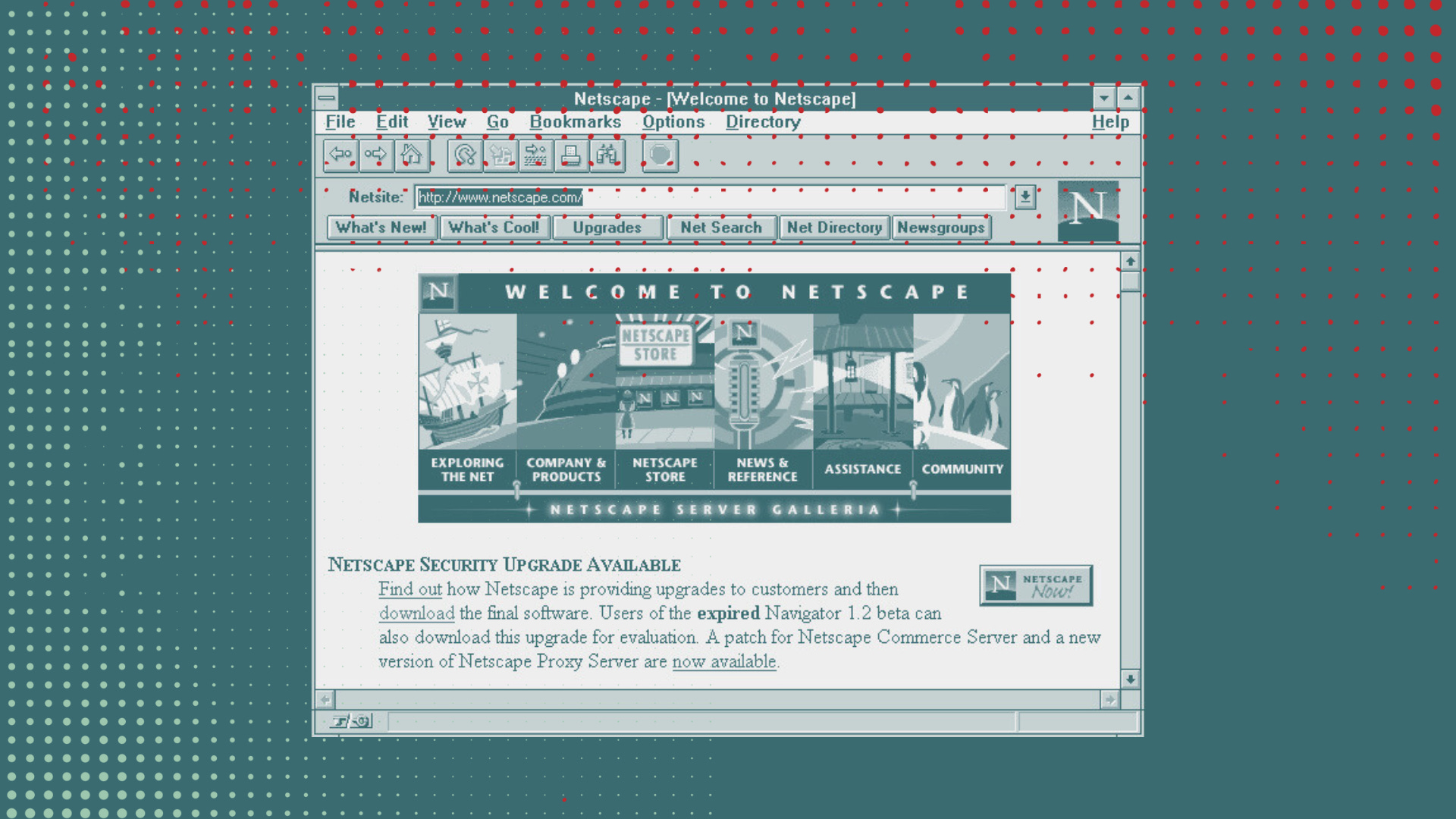
1990s: Netscape changed everything by bundling the browser with the internet.
1998–2004: Microsoft crushed Netscape with Internet Explorer, locking in dominance via Windows bundling.
2007: Apple made Safari the gateway for iPhone users—tightly integrated, invisible, unavoidable.
2008: Google launched Chrome. It wasn’t just a browser—it was an ad data siphon, a developer platform, and eventually the skeleton for Edge and Brave.
2010s: A plethora of other browsers showed with stricter privacy preserving features and independence from search engines (DuckDuckGo, Firefox, Brave, Opera, Arc).
(BTW, my opinion—Facebook missed the biggest opportunity of all: launching its own browser in the 2010s…)
Now, in the AI age, we’re back at that inflection point. Browsers are becoming “interpretive agents.” Today’s browsers don’t just display information. They frame it—guiding what we notice, trust, or dismiss.
And that’s dangerous if left unchecked.
Here's Your Human Override:
Recognize the browser bias
Every browser-AI pairing is an editorial actor. Arc leans toward Apple-style UX idealism. Chrome favors Google Search outcomes. Firefox wants decentralization, but struggles with reach. None are neutral.Language amplifies silos
As seen in the train story, language is not just a translation issue. It defines which sources get summarized, which policies get emphasized, and which values are implied. English is dominant in AI LLMs, but not in human experience.Scrolling is dying
AI summaries mean fewer people click, read, or compare. Maybe it’s a better user experience, but it’s already becoming a cultural compression issue. Less scrolling equals less friction equals less nuance.Policy Lags Behind
Most regulation still targets platforms (Google, Meta) or data use (GDPR). Very little addresses browser-level manipulation, though that’s where epistemic control now lies.Action Steps for Readers
Try browsing in multiple languages. See what changes.
Avoid defaulting to AI summaries for complex topics. Scroll, read, click.
Treat your browser settings like a media diet. Curate actively.
Ask: Who’s framing this for me? And why?
We’re not just outsourcing search anymore. We’re outsourcing belief formation.
⚡ SPARK
What happens when the act of browsing becomes obsolete?
If AI summaries sit atop everything—Google results, Substack posts, academic papers—how do we learn to disagree? How do we notice that we disagree?
Are we entering an era where only side-by-side real-world dialogue, like that train ride in Germany, can reveal epistemic divergence?
Or will we develop a new kind of literacy—not just media literacy, but browsing literacy?
The real battleground isn’t only what AI says. It’s where AI says it. And how much effort we’re still willing to put into understanding.
📚 Further reading:
"How One 1990s Browser Decision Created Big Tech's Data Monopolies" — excellent retrospective on Netscape vs IE and the long tail of interface power.
ChatGPT vs Perplexity vs Google AI answers — a strong piece on the subtle shifts in trust when the interface becomes agentive.
A story by Gianni Rodari that prophesized our current situation with genAI tools (use your preferred LLM to translate, or wait next week edition where I will share the full story in English).
Alberto. Great insights and information. As someone who writes business book and advises other people on how (and what) to write, self publish and market their books this article is hugely important. I've been getting my head around GEO but hadn't thought about the browser. Thanks so much.